
Listen to Your Body
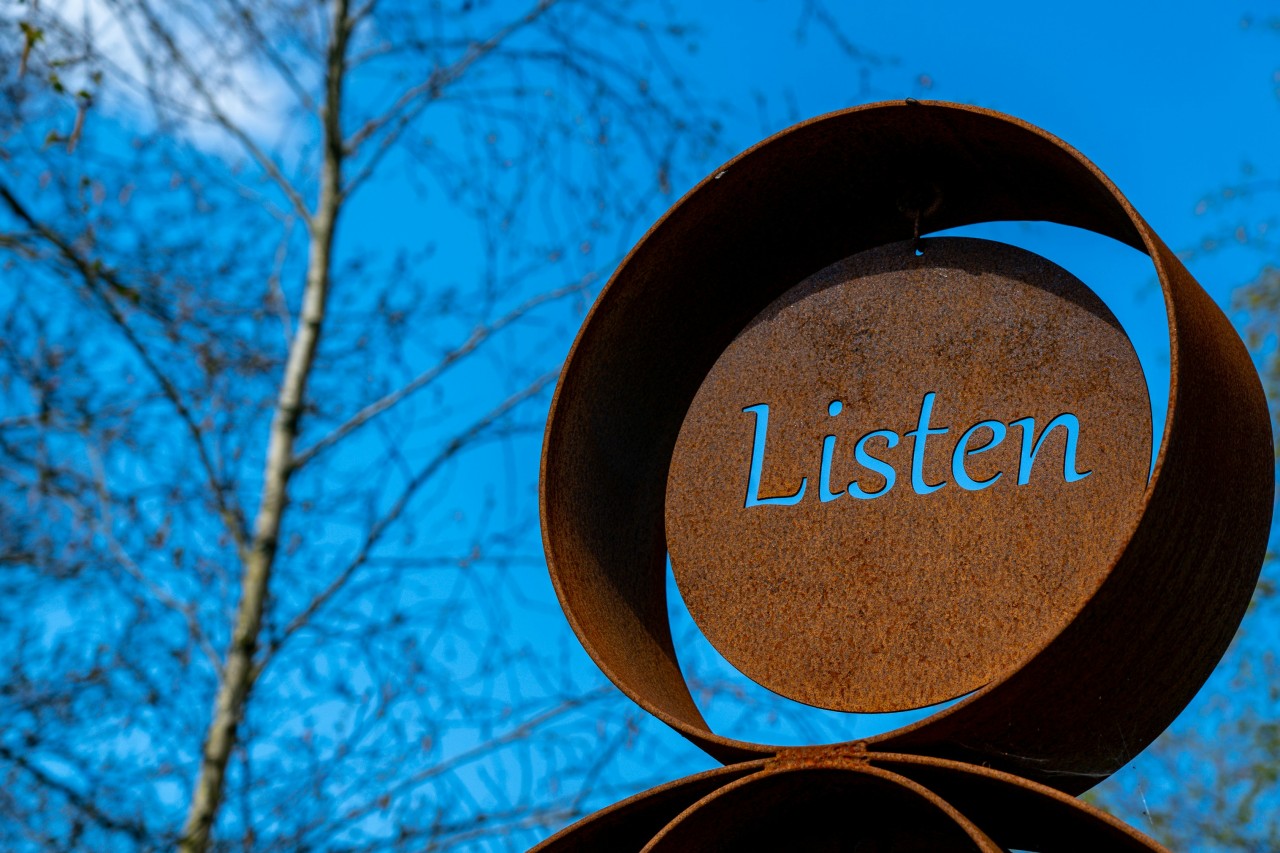
Listen to Your Body: The Wisdom We Often Ignore
In a world that celebrates being busy, productive, and constantly connected, many of us have become experts at ignoring one of the most important sources of information we have—our own bodies.
Your body is always communicating with you. Through energy levels, hunger, sleep patterns, aches, emotions, and even stress responses, it provides valuable feedback about what you need to thrive. The challenge is that we often don't stop long enough to listen.
What Does It Mean to Listen to Your Body?
Listening to your body means paying attention to physical, mental, and emotional signals without immediately dismissing them. It means recognizing that fatigue isn't always laziness, hunger isn't something to be feared, and stress isn't just "part of life."
When you tune in, you may notice:
- Fatigue that signals a need for rest
- Muscle tension that reflects stress or anxiety
- Hunger and fullness cues that guide healthy eating
- Changes in mood that indicate emotional needs
- Pain or discomfort that shouldn't be ignored
These signals are your body's way of asking for attention and care.
The Cost of Ignoring the Signals
Many people push through exhaustion, skip meals, ignore pain, or continue working despite overwhelming stress. While this may seem productive in the short term, consistently overriding your body's messages can lead to burnout, chronic stress, illness, and decreased well-being.
Ignoring warning signs is like covering the check-engine light in your car with tape. The problem doesn't disappear—it often becomes more serious over time.
Simple Ways to Reconnect
Pause Throughout the Day
Take a few moments several times a day to ask yourself:
- How is my energy level?
- Am I hungry or thirsty?
- Am I holding tension anywhere?
- What emotion am I experiencing right now?
These brief check-ins can help you become more aware of your body's needs.
Prioritize Rest
Rest is not a reward for productivity—it's a basic human need. Quality sleep, breaks during the day, and moments of relaxation support physical and mental health.
Move in Ways That Feel Good
Exercise doesn't always have to be intense. Walking, stretching, dancing, yoga, or gardening can all be meaningful forms of movement. The goal is to find activities that leave you feeling energized rather than depleted.
Practice Mindful Eating
Instead of eating on autopilot, pay attention to hunger and fullness cues. Notice how different foods affect your energy, mood, and overall well-being.
Trusting Yourself Again
Many of us have been taught to seek answers outside ourselves, but our bodies hold remarkable wisdom. Learning to listen is a skill that takes time, patience, and practice.
The next time your body sends a signal—whether it's asking for rest, movement, nourishment, or emotional care—consider responding with curiosity instead of judgment.
Your body is not working against you. It is working for you, every moment of every day. The more you listen, the more you can build a life that supports your health, happiness, and overall well-being.
What is your body trying to tell you today? Taking a moment to listen may be one of the most powerful acts of self-care you can practice.
About the author

By accepting you will be accessing a service provided by a third-party external to https://abundantexchangeservices.com/